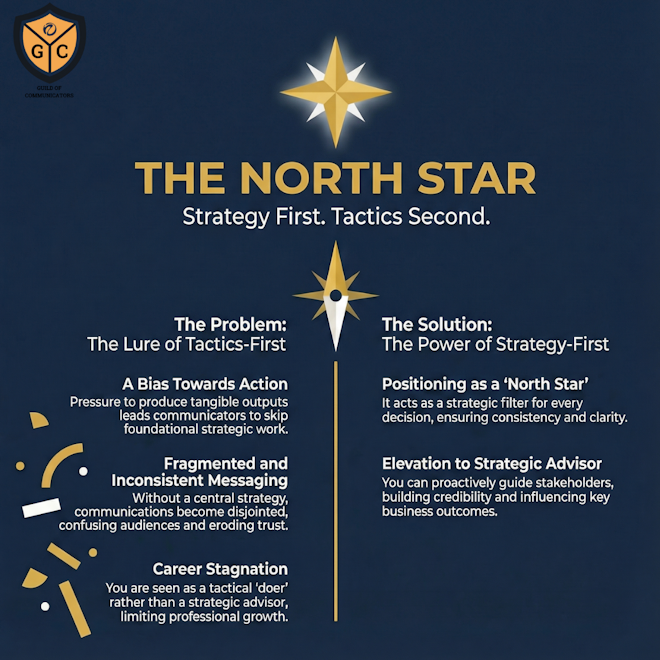

The trajectory of a campaign is often determined long before the first task is executed.
Many projects fail not because of poor execution, but because of poor setup.
Uncertainty at the start leads to chaos at the end. For communicators, the two pillars of this setup are the brief and the reporting structure.
If the brief is vague, the team runs in different directions. If the reporting structure is undefined, stakeholders are left in the dark until it is too late to adjust.
Mastering these two elements is not just about administrative hygiene; it is about establishing a command and control structure that allows creativity to flourish within clear and set boundaries.
Navigating Initial Uncertainty
The beginning of a project is often the most vulnerable phase. There is excitement, but there is also ambiguity.
The challenge lies in providing a brief that is both clear and inspiring. You need to articulate exactly what is needed without stifling the team’s ability to solve the problem creatively.
Simultaneously, there is often uncertainty about what to report and when, leaving stakeholders without the insights they need to guide decisions. Determining the right reporting cadence and metrics before there is any data to report feels counterintuitive to many.
The challenge is setting up the right reporting structure from the beginning, rather than waiting for results to roll in. Without these guardrails, the project lacks a defined definition of success and a mechanism for tracking it.

Confusion and Misaligned Expectations
A vague or incomplete brief can lead to confusion, misaligned expectations, and missed opportunities. When the team is not clear on the project’s goals, the results often fall short of expectations. You might get a brilliant piece of content that is completely wrong for the target audience because the brief didn’t specify the persona.
Similarly, reporting too late in the campaign can lead to missed opportunities for adjustment. If you wait until the end of the month to tell a stakeholder that a tactic isn’t working, you have wasted a month’s worth of resources. This reactive approach erodes trust. Stakeholders feel anxious when they are in the dark, and that anxiety often manifests as micromanagement, which further slows down the team.
Confidence, Transparency, and Trust
When you get the setup right, the difference is palpable.
A well-defined brief sets the tone, outlines objectives, and clarifies roles, ensuring everyone is on the same page from the start. When the team understands the bigger picture and their role within it, they can execute with confidence and purpose.
On the stakeholder side, early, clear reporting ensures stakeholders stay informed and can offer input as the campaign progresses, not just at the end. This proactive approach ensures transparency and builds trust, while keeping the campaign on track from day one.
It transforms the dynamic from one of “checking up” to one of “collaborating,” where data drives decisions rather than opinions.
The Danger of Optimism in Planning
Why do we often rush the setup?
It is often due to the “Planning Fallacy”—a cognitive bias where we underestimate the time, costs, and risks of future actions and overestimate the benefits. We assume we will “figure it out as we go.” We worry that spending too much time on a brief or a reporting template is “bureaucratic” delay.
However, this optimism is dangerous. It leads us to skip the hard work of definition. We assume stakeholders know what we mean, or that the team intuitively understands the goal. Recognising this bias helps us slow down at the start to speed up later. We must accept that clarity is not a constraint; it is a catalyst.

Three Principles for a Strong Setup
The success of a project is rarely determined in the final sprint; it is determined at the starting line. By investing time in a robust brief and a transparent reporting structure, you protect your team from confusion and your stakeholders from disappointment.
To ensure your project launches with precision, follow these three principles.
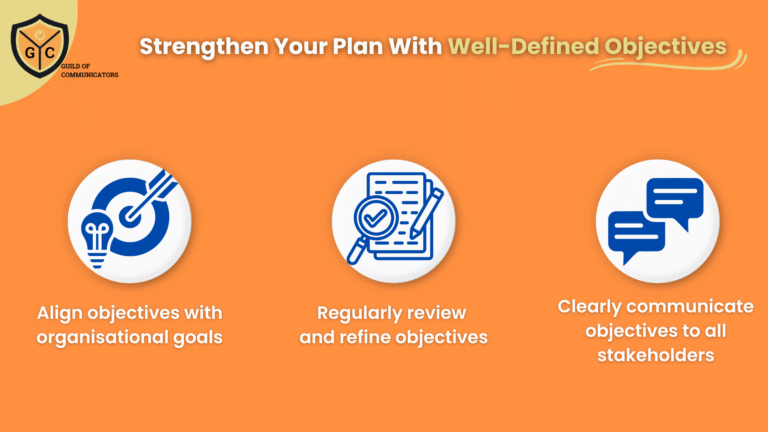
1. Create a Comprehensive, Inspiring Brief. Do not settle for a one-line email instruction. Create a brief that covers all key aspects: objectives, deliverables, timelines, and individual responsibilities. Be specific about what success looks like but also allow space for creativity and innovation. A good brief anchors the “what” and the “why” but leaves room for the “how.”
2. Establish the Reporting Rhythm Immediately. Do not wait for the first result to decide how to report it. Establish a reporting plan at the outset. Define key metrics, timelines, and reporting frequency. Tell your stakeholders: “You will receive a one-page dashboard every Friday at 10 am.” This predictability reduces their anxiety and buys you the autonomy to work during the week.
3. Include Qualitative and Quantitative Context. In your reporting plan, consider regular updates on progress, challenges, and any adjustments made. Don’t just plan to send numbers; plan to send narrative. If you encounter a roadblock, report it early with a proposed solution. This transparency positions you as a project leader who is in control, rather than a passenger hoping for the best.
Set the trajectory correctly, and the destination becomes inevitable.
The Guild of Communicators is merging with and integrating into the We Are Brand Utility organisation: read more in our article here. If you are interested in the topics of Narrative Intelligence, Digital Subject Stewardship, Narrative Autonomy and Authoritative Source, subscribe to our newsletter at this link: