
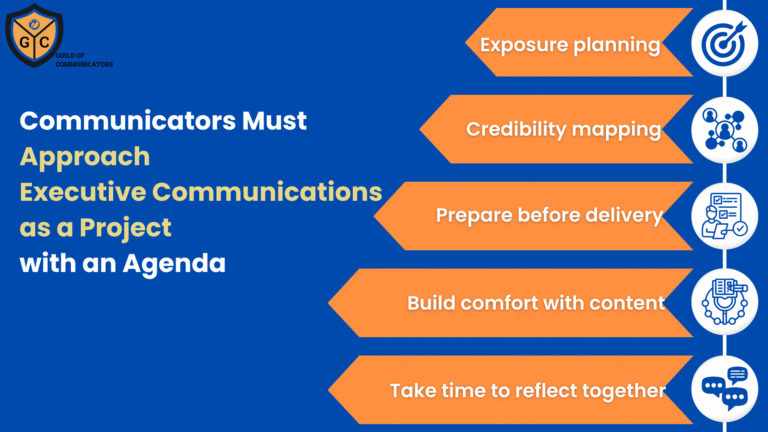
Executives are expected to express their organisation’s value in ways that reflect a real understanding of their audiences’ concerns, expectations, and questions. That includes employees, customers...
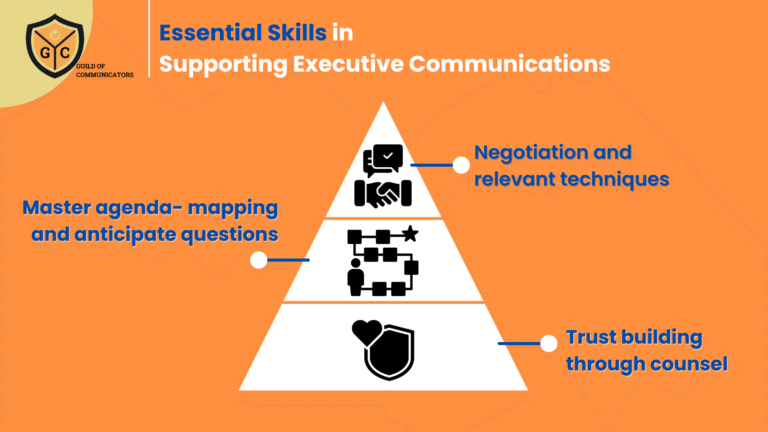
Trust is a foundation-level value that businesses need to earn and maintain. It is no longer enough for organisations to talk about trust in marketing materials—it has to be seen in action. ...
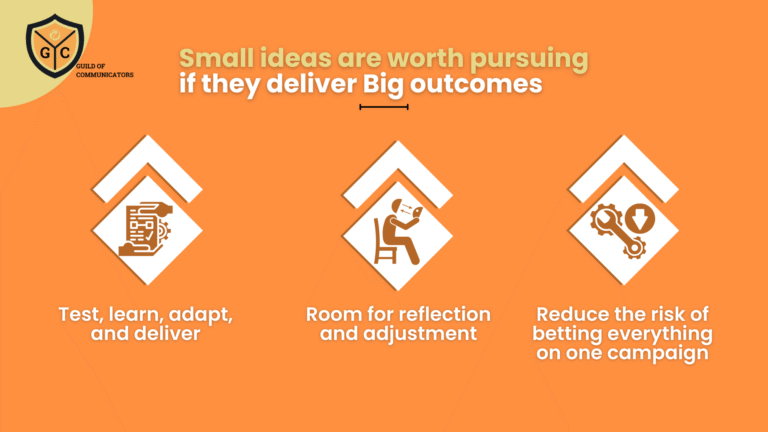
In communications, Big Ideas often take centre stage. They are bold, attention-grabbing, and offer the promise of immediate impact. Compared to that, Small Ideas may seem less exciting or even...
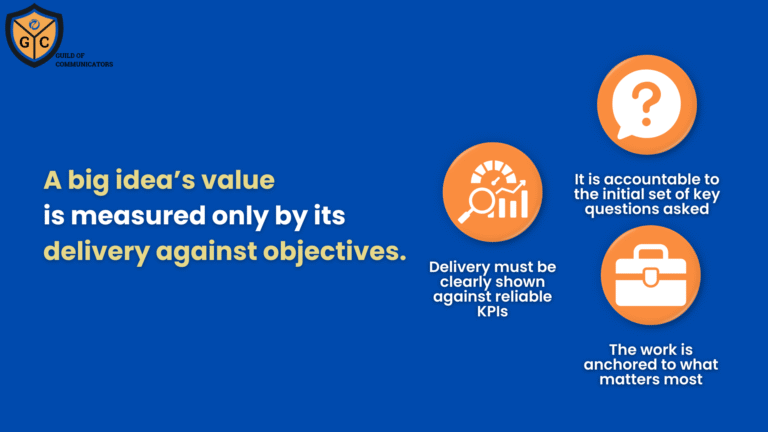
Big ideas are meant to drive attention and engagement. Without clear objectives and meaningful KPIs, they can become distractions rather than strategic assets. A concept that looks impressive on...

The promise of scale has always appealed to communicators. Whether we’re raising awareness, shifting perceptions, or influencing behaviour, reach is often seen as a marker of success. In recent...
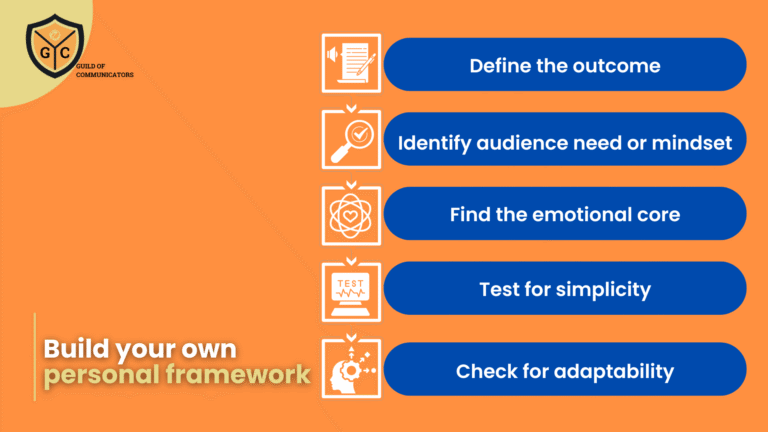
Big ideas help communicators do their jobs more effectively. When a campaign or programme starts with a strong idea, it’s easier to cut through noise, hold attention, and move people towards action...
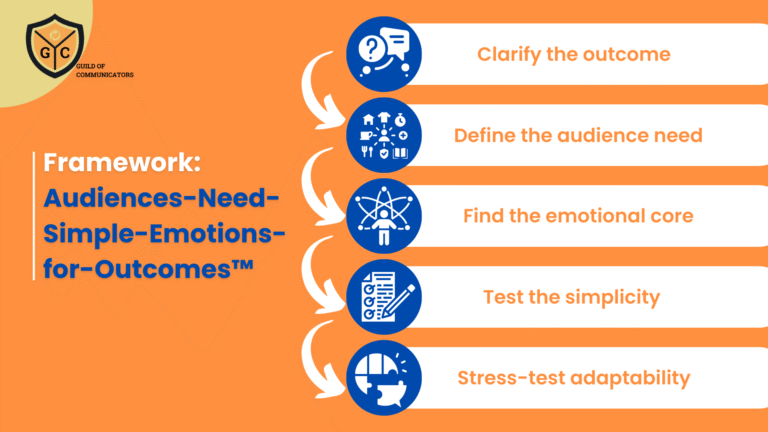
Communications and creativity are closely connected. At its best, communication activates human curiosity and interest. That’s what makes it effective—especially in communications efforts and...
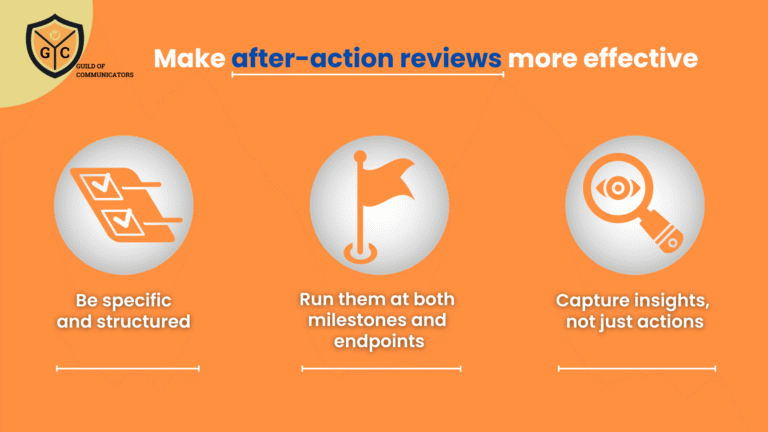
We often don’t know what we don’t yet know. That’s what makes after-action reviews essential. They help communicators uncover overlooked details, identify areas for improvement, and sharpen what...
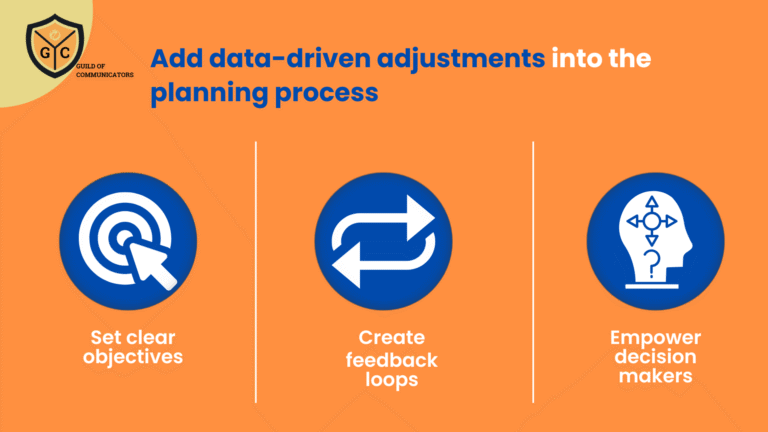
Data is everywhere. As communicators, we need to become proficient in understanding the inputs we receive—particularly from qualitative sources. These inputs often come in the form of customer...
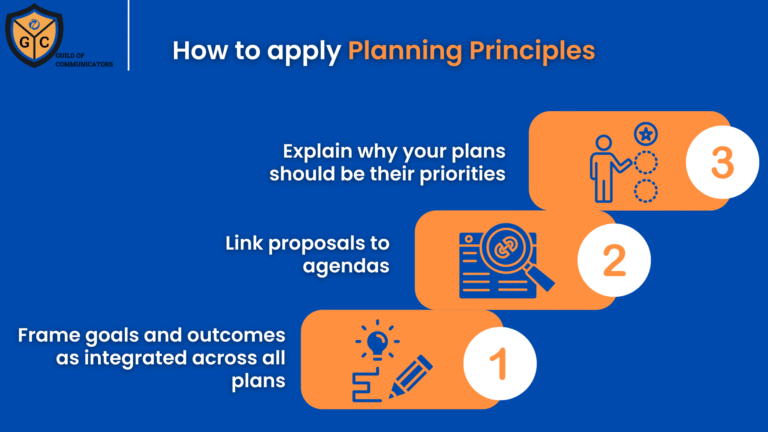
As the calendar year draws to a close, communicators are tasked with shaping or contributing to the organisation’s master communication plan for the year ahead. This process is not just about...
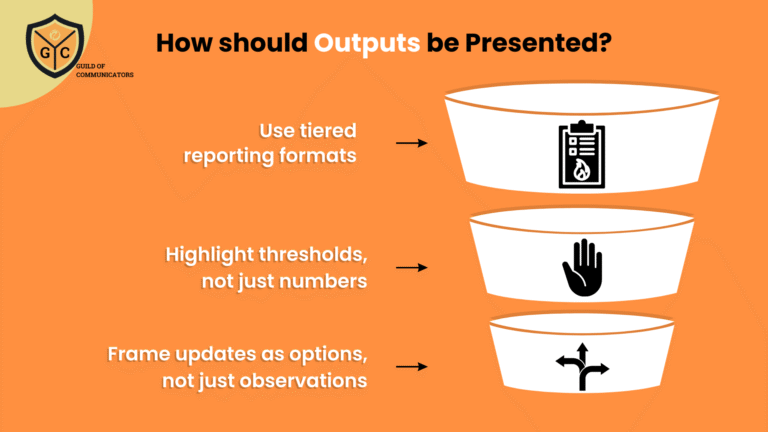
Reporting to management and stakeholders is not just the closing step in issues management. It is a structural necessity during the monitoring stage. While many communicators focus on escalation...
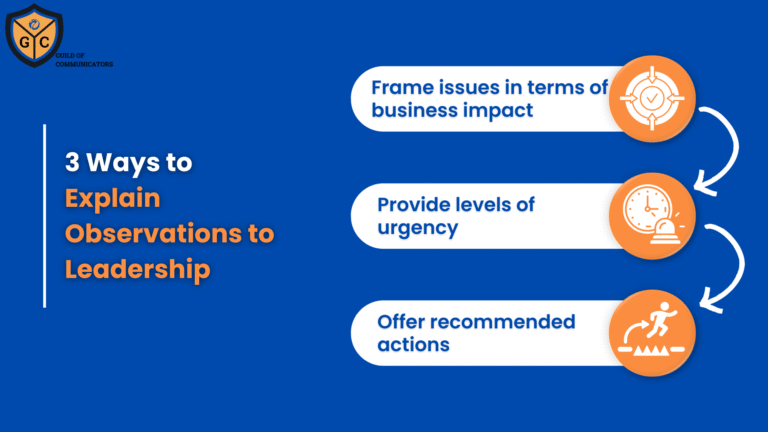
Crises rarely appear from nowhere. They are usually the culmination of smaller issues that have grown over time. To understand how to anticipate and manage these developments, it helps to break a...
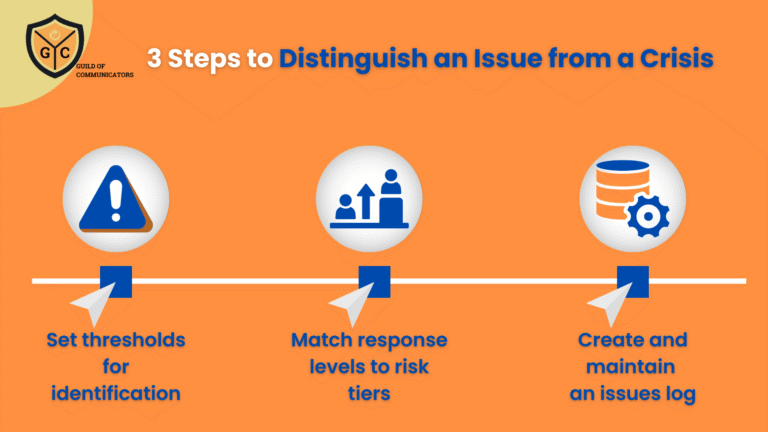
In communication, distinguishing between an issue and a crisis is not just a matter of terminology. The distinction determines the resources you use, the level of urgency applied, and the outcomes you...
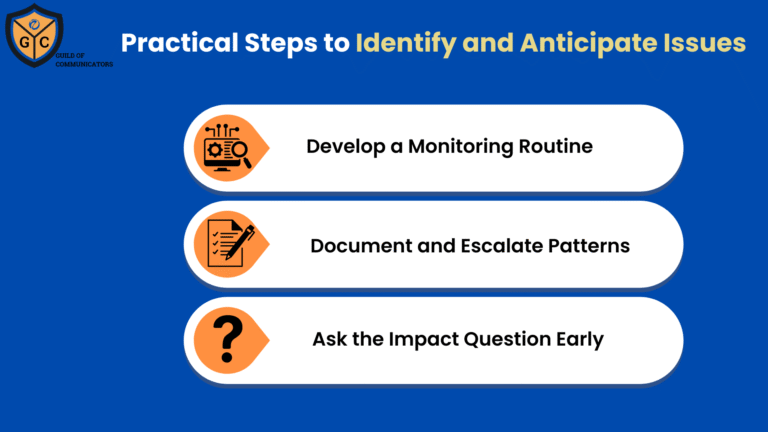
Issues management and crisis communication management are often used interchangeably, but they are not the same. The distinction matters, especially for communicators at the early stage of their...
In a perfect world, each executive would have a dedicated communications advisor. These advisors would be in sync, coordinating efforts with shared timelines and strategic outcomes. But that’s...