
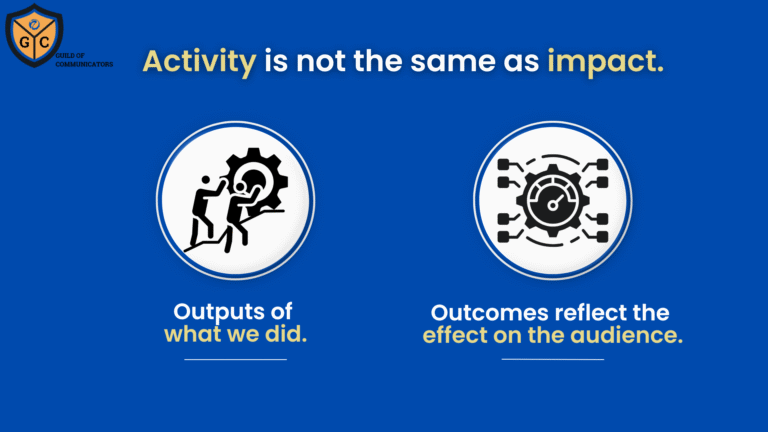
One of the most persistent challenges in communication is showing how programmes and campaigns influence audience behaviour. Whether the goal is brand trust, issue awareness, or product interest, many...
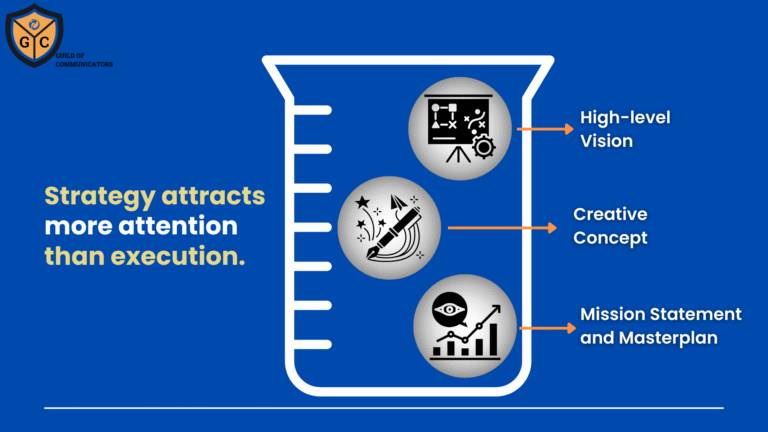
A common challenge faced by communicators is learning how to separate strategy from operations when planning and running programmes or campaigns. The terms are often used interchangeably, but they...
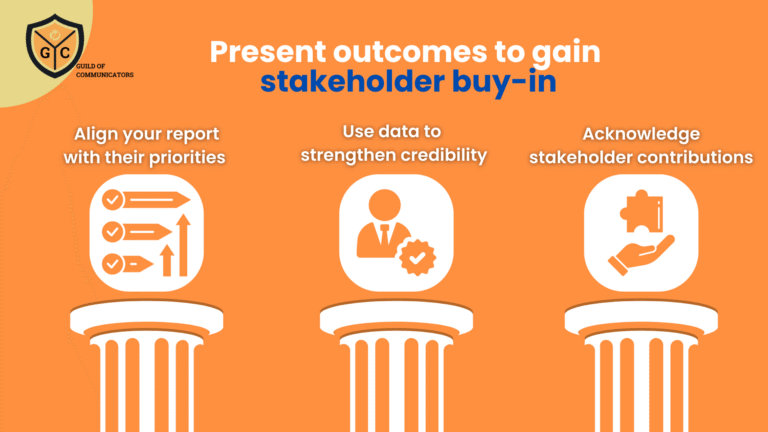
The project is complete. The objectives were met, the milestones were achieved, and everything went according to plan. Now, it’s time to present the outcomes to stakeholders. However, a...
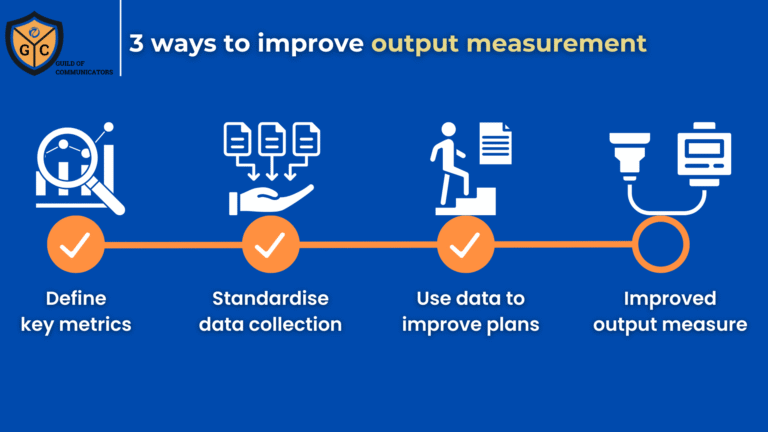
Outputs and outcomes are both essential components of a communication programme, but they serve different purposes. Outputs refer to the tangible activities and deliverables produced, such as...
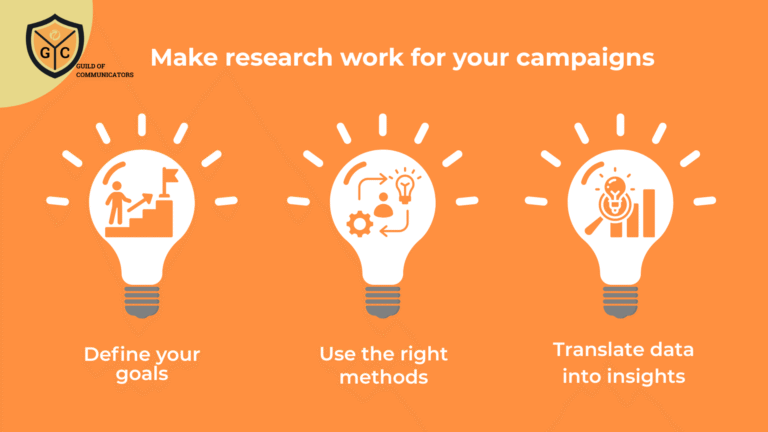
Research and data play a central role in shaping communication programmes and campaigns. They provide a foundation for understanding audiences, evaluating trends, and selecting the right approach to...
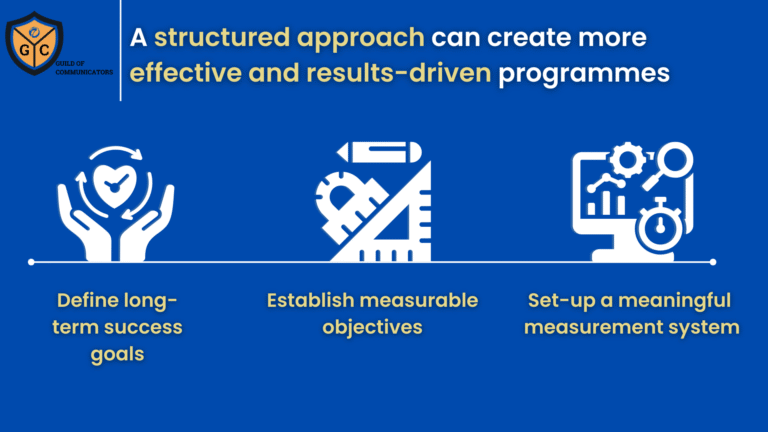
A well-structured programme or campaign requires clear alignment between goals, objectives, outcomes, and measurements. Goals provide direction, objectives define the specific steps needed...
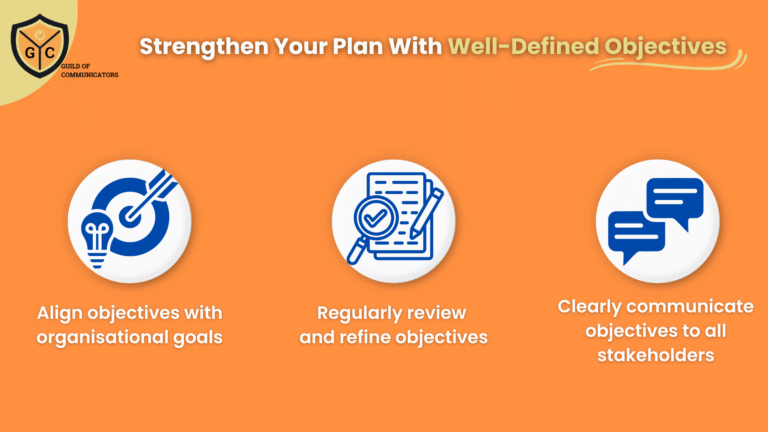
A plan needs a clear starting point, and for communication, or project plans, objectives provide the foundation. They establish direction, define success, and ensure efforts remain focused and...
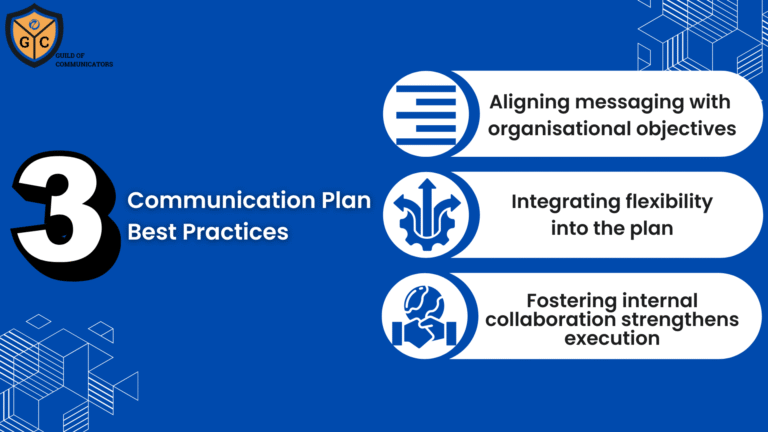
A communication plan is a critical tool for any communicator. It serves as a roadmap, ensuring that messaging is strategic, targeted, and aligned with organisational goals. Without a structured...
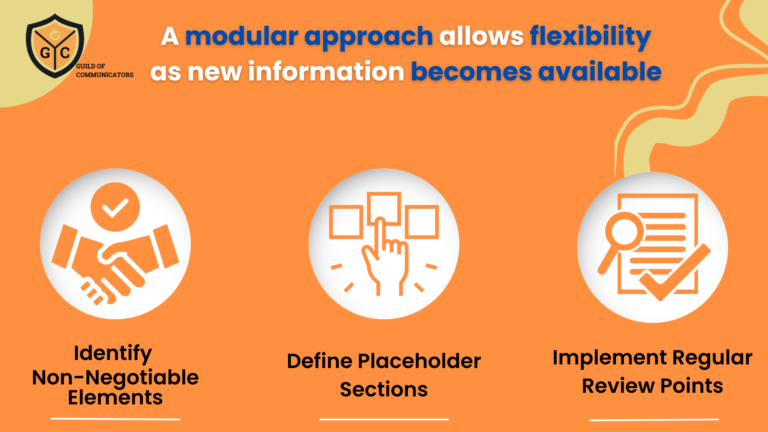
Communicators are often required to build programme and campaign plans well in advance. However, they rarely have all the necessary information at the outset. This is due to a mix of short-termism by...
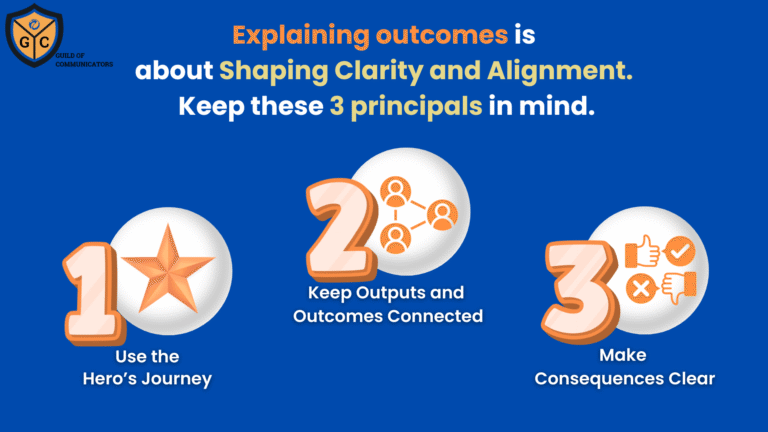
Communicators are often expected to show results—but the skill of explaining outcomes is not the same as measuring them. Yet in many communications workflows, these two distinct actions are mistakenly...
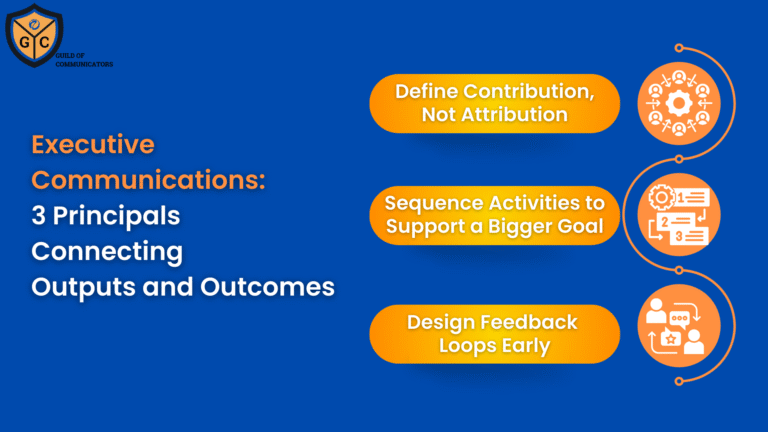
You’ve aligned the executive team, briefed key spokespeople, and secured a strategic opportunity—whether that’s a media interview, panel appearance, or stakeholder roundtable. The planning was tight...
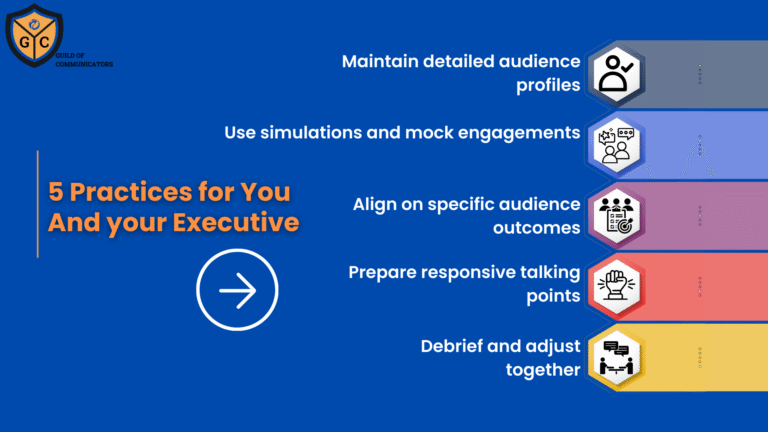
You’ve secured executive buy-in. They’re enthusiastic about the communication strategy and eager to take on media, customer, stakeholder, and supporter engagements. At first glance, this seems like...
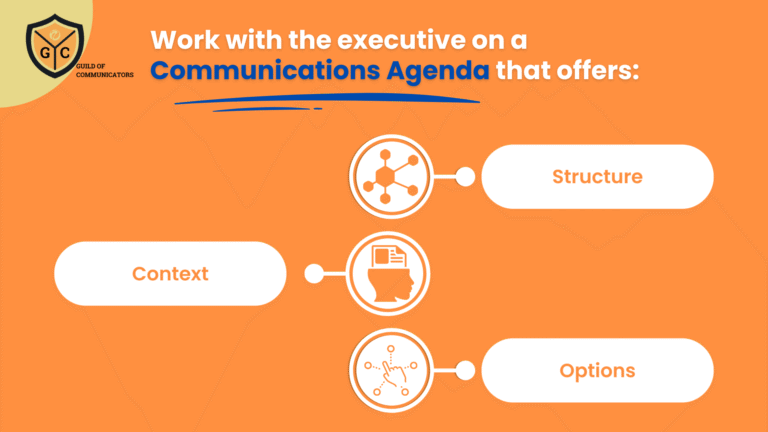
A communications agenda is not simply a set of tasks or a calendar of appearances. It is a strategic tool that helps align the executive’s role with the organisation’s visibility, influence, and...
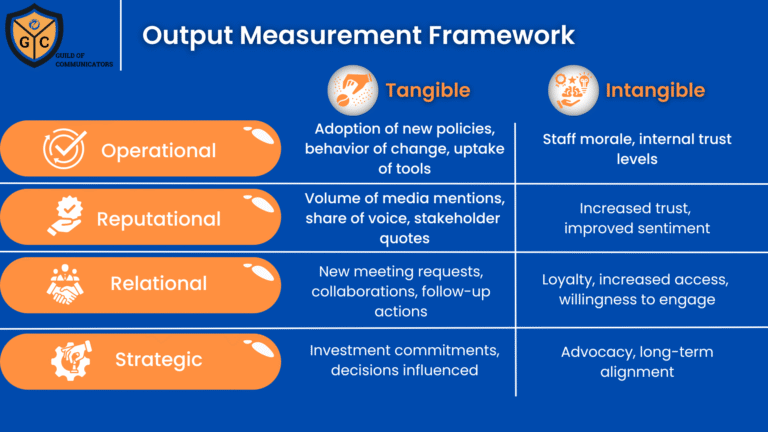
Communicators often prepare executives to represent the organisation across key moments, channels, and audiences. A strong communication agenda may set the foundation, but the more difficult task is...
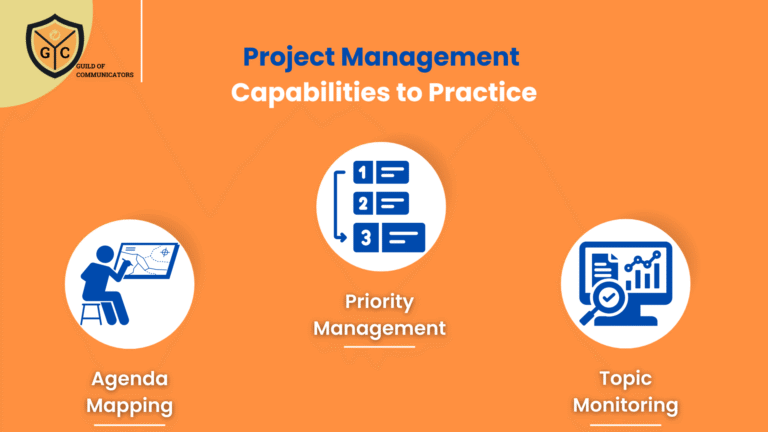
Executives are expected to express their organisation’s value in ways that reflect a clear understanding of their audiences’ concerns, expectations, and questions. Doing this well takes more than...