
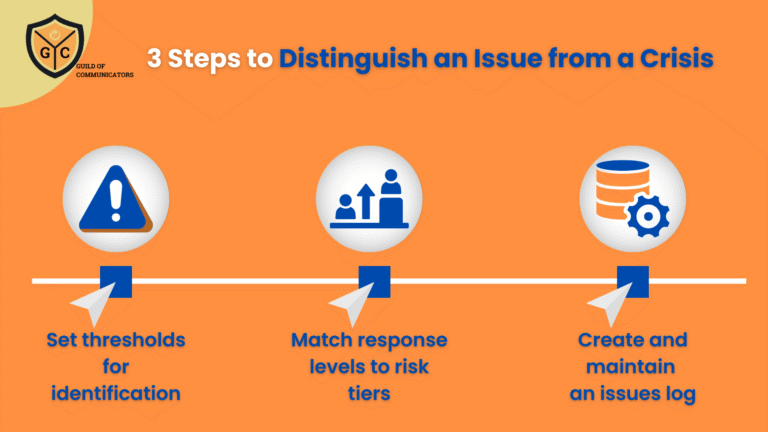
In communication, distinguishing between an issue and a crisis is not just a matter of terminology. The distinction determines the resources you use, the level of urgency applied, and the outcomes you...
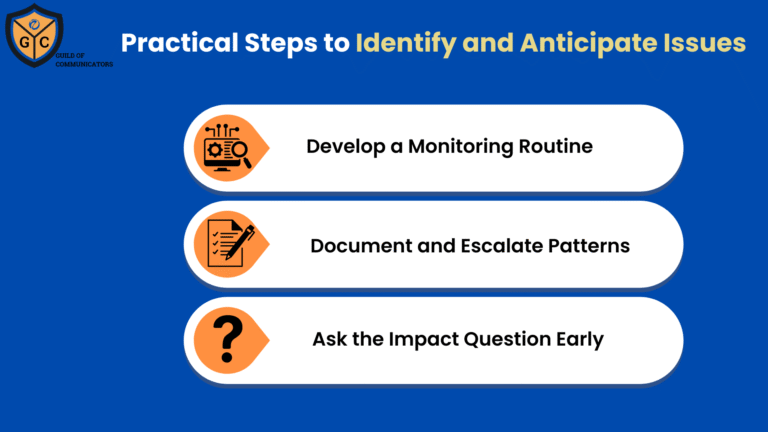
Issues management and crisis communication management are often used interchangeably, but they are not the same. The distinction matters, especially for communicators at the early stage of their...
In a perfect world, each executive would have a dedicated communications advisor. These advisors would be in sync, coordinating efforts with shared timelines and strategic outcomes. But that’s...
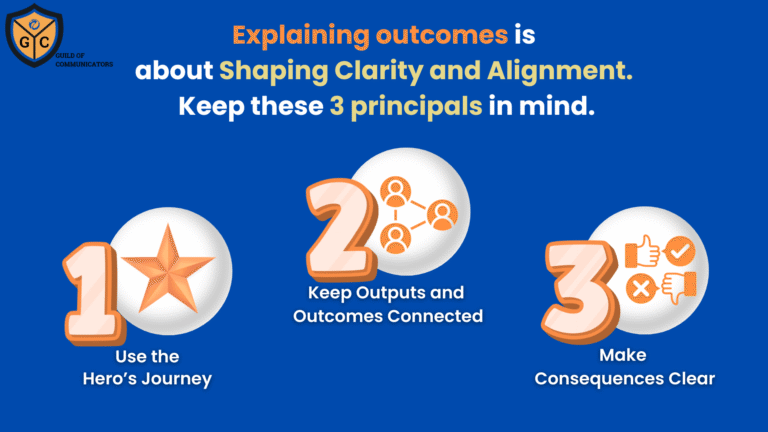
Communicators are often expected to show results—but the skill of explaining outcomes is not the same as measuring them. Yet in many communications workflows, these two distinct actions are mistakenly...
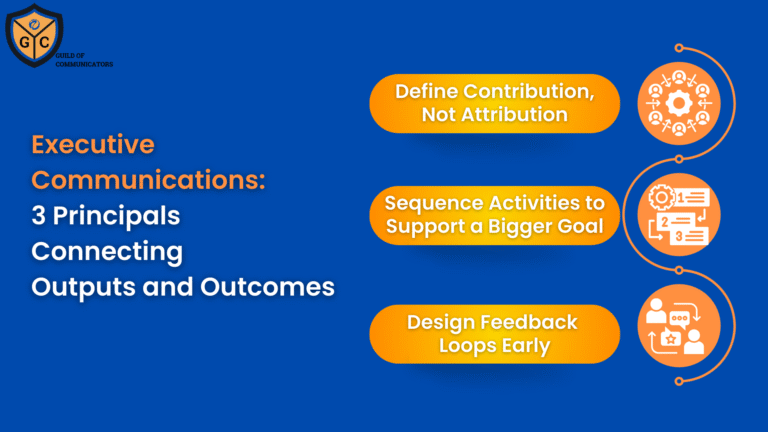
You’ve aligned the executive team, briefed key spokespeople, and secured a strategic opportunity—whether that’s a media interview, panel appearance, or stakeholder roundtable. The planning was tight...
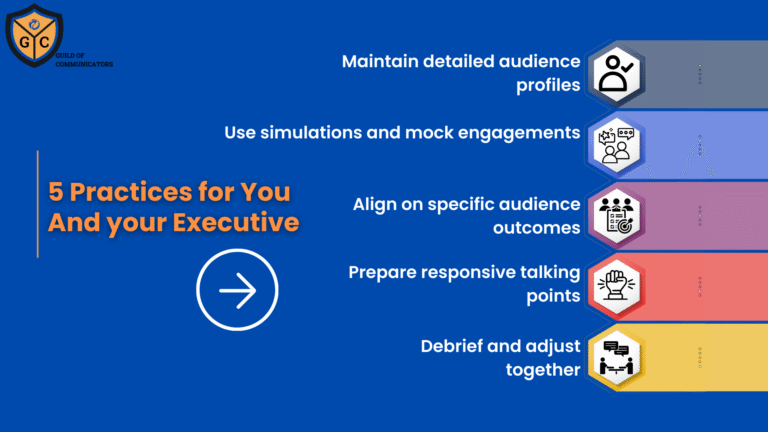
You’ve secured executive buy-in. They’re enthusiastic about the communication strategy and eager to take on media, customer, stakeholder, and supporter engagements. At first glance, this seems like...
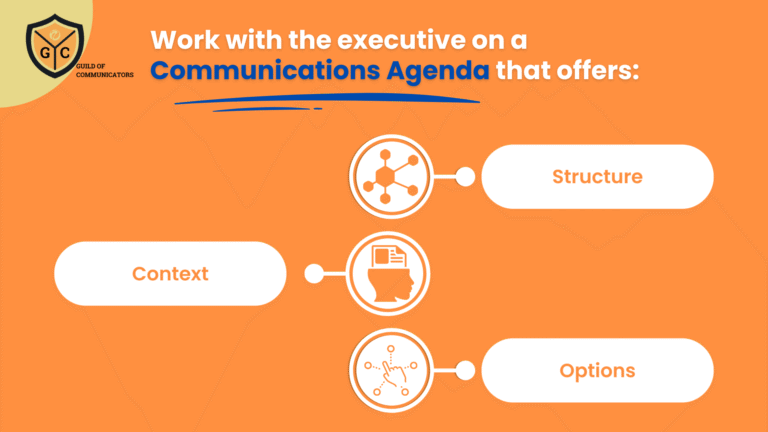
A communications agenda is not simply a set of tasks or a calendar of appearances. It is a strategic tool that helps align the executive’s role with the organisation’s visibility, influence, and...
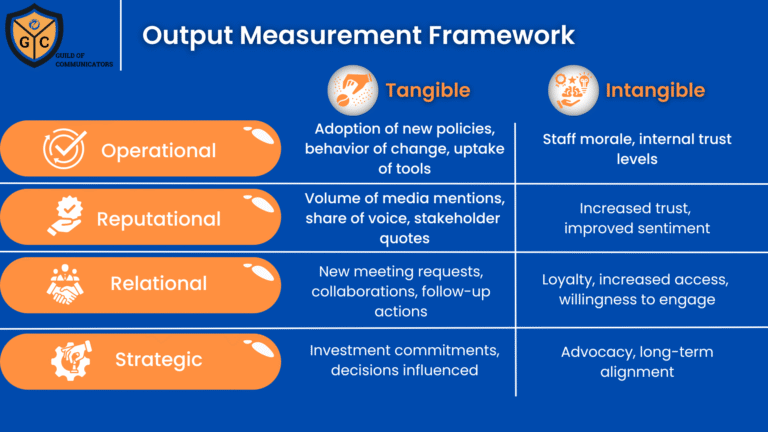
Communicators often prepare executives to represent the organisation across key moments, channels, and audiences. A strong communication agenda may set the foundation, but the more difficult task is...
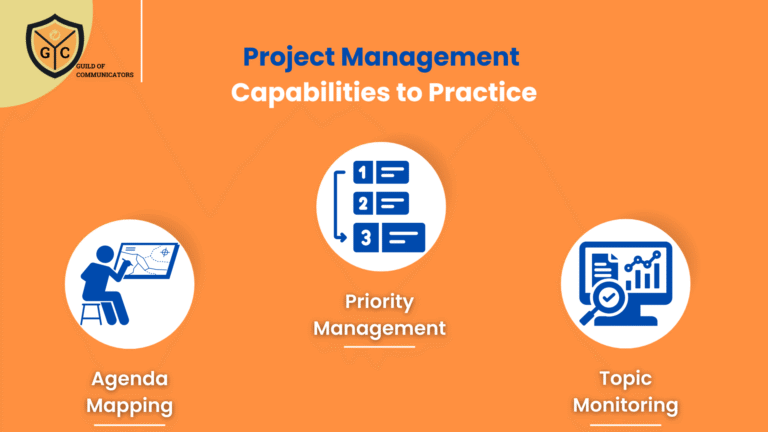
Executives are expected to express their organisation’s value in ways that reflect a clear understanding of their audiences’ concerns, expectations, and questions. Doing this well takes more than...
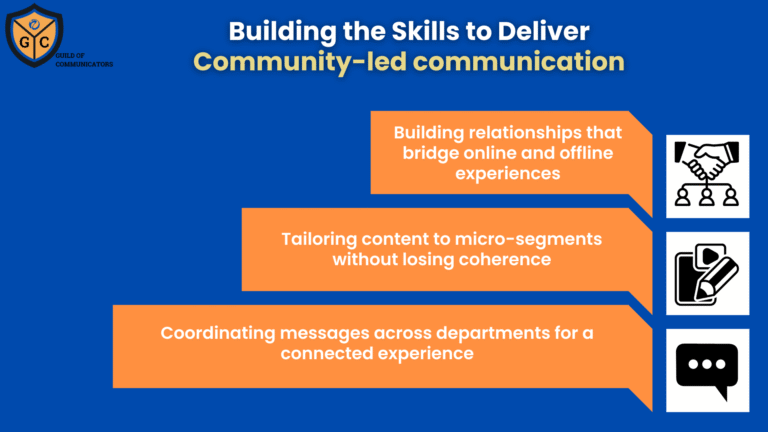
In a previous article, we explored three key trends that will shape communicators’ work in 2026: Of the three, community-led communications stands out as both a return to form and a tactical...
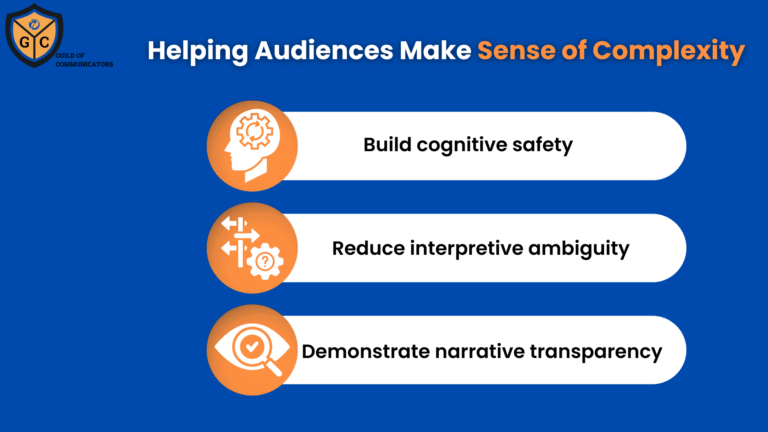
In a previous article, we explored three trends that will define 2026 for communicators: harder-to-land narratives in an uncertain environment, the revival of community-led communication, and the...
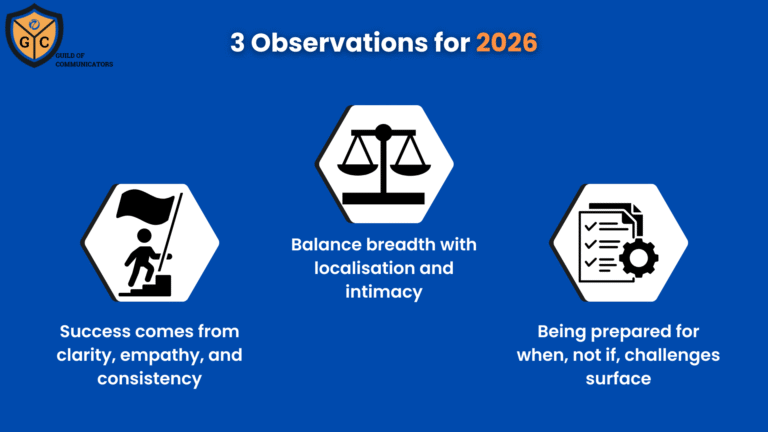
Each year, communicators face the same challenge: how to plan, adapt, and stay relevant in an environment that keeps shifting. Economic cycles, technological developments, regulatory...
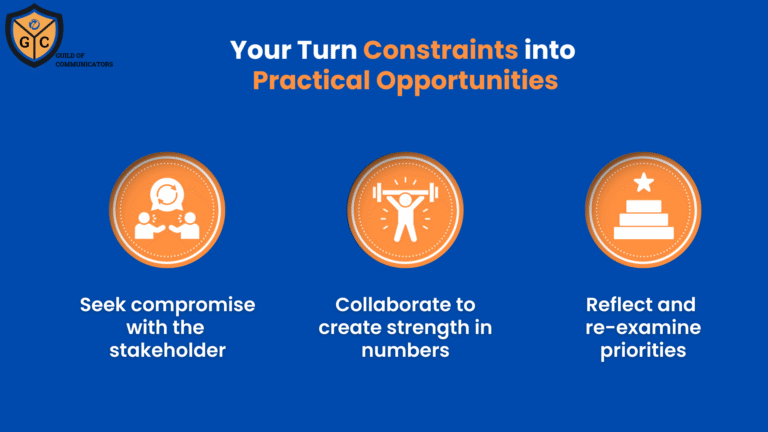
Communicators carry a responsibility that extends beyond delivering campaigns or content. Our role is to secure alignment from stakeholders, build confidence in our organisation’s plans, and deliver...
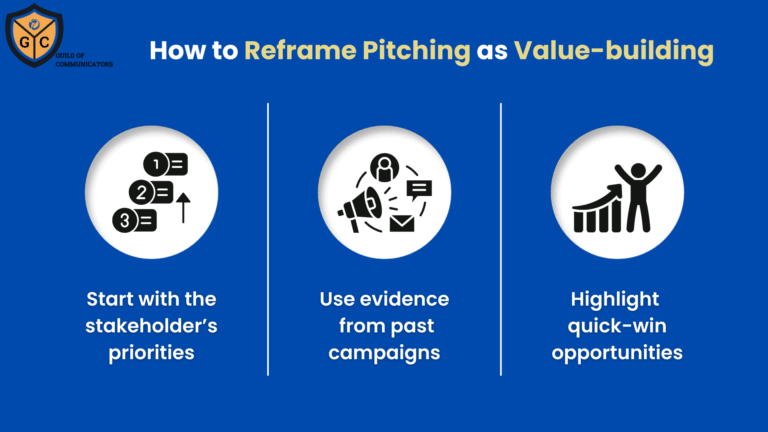
As the new year approaches, many communicators will be preparing or contributing to master plans that require stakeholder approval. These plans are not just lists of activities but resource-dependent...
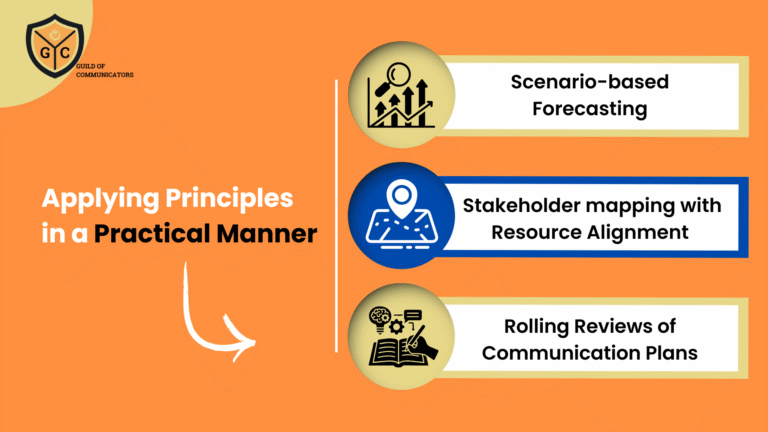
In the previous article, we explored five principles for smarter communication planning. These principles guide how communicators can frame their master plans for 2026: The next step is to move from...